320°F
Where cotton meets DTF; vinyl and sublimation run their own numbers.
Bright thermal lab · live on-site
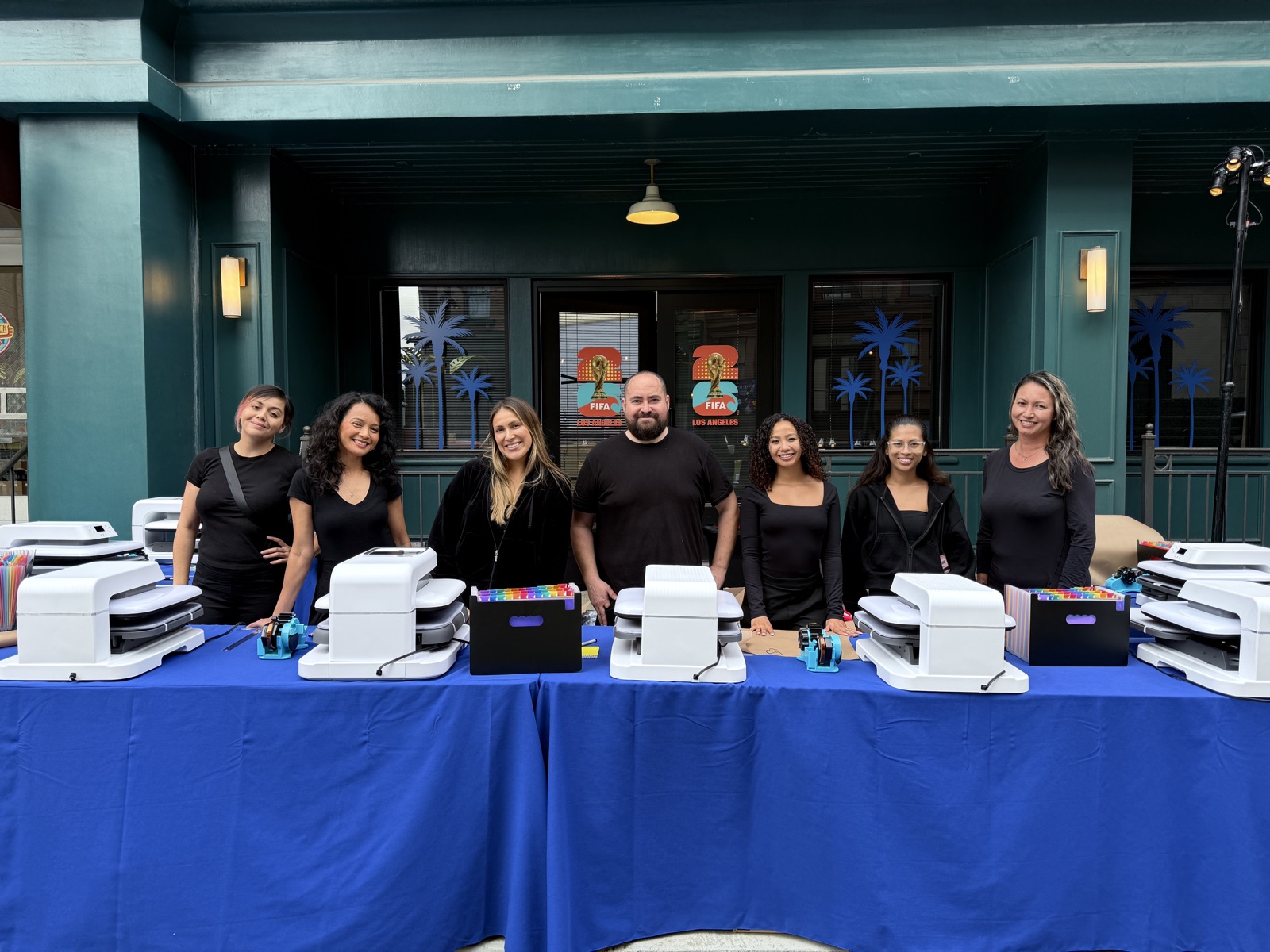
DTF transfers, heat-applied vinyl, sublimation on poly, patches, names, numbers — each transfer type has its own temperature, pressure, and peel, and our operators run them all from one glowing station on your event floor.
320°F
Where cotton meets DTF; vinyl and sublimation run their own numbers.
12sec
Seconds under the platen — the entire production time per graphic.
1booth
Booth is all it takes — no screens, no ink room, no dry time.
100%
Of pieces inspected at the platen before anyone wears one.
The press run
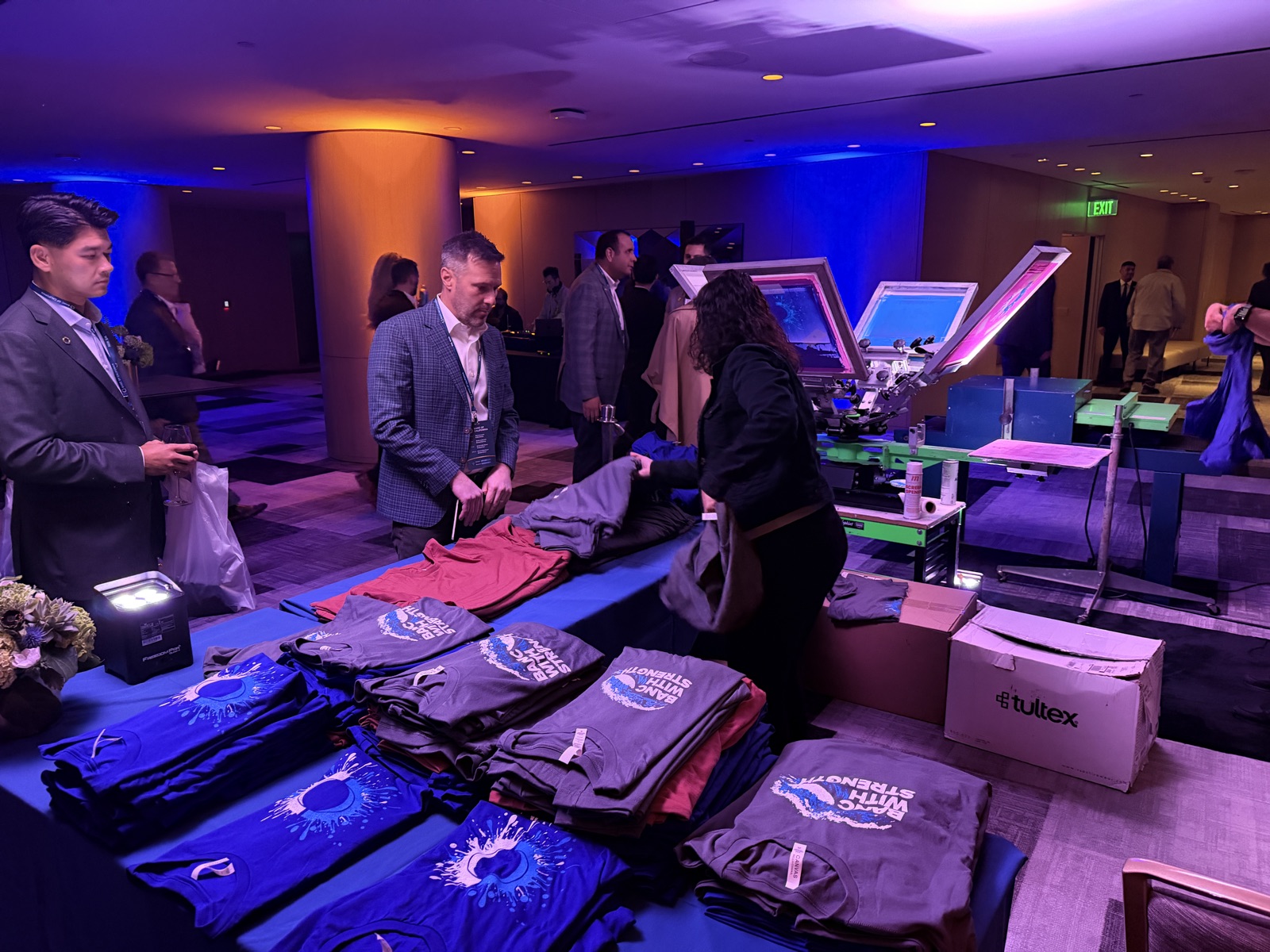
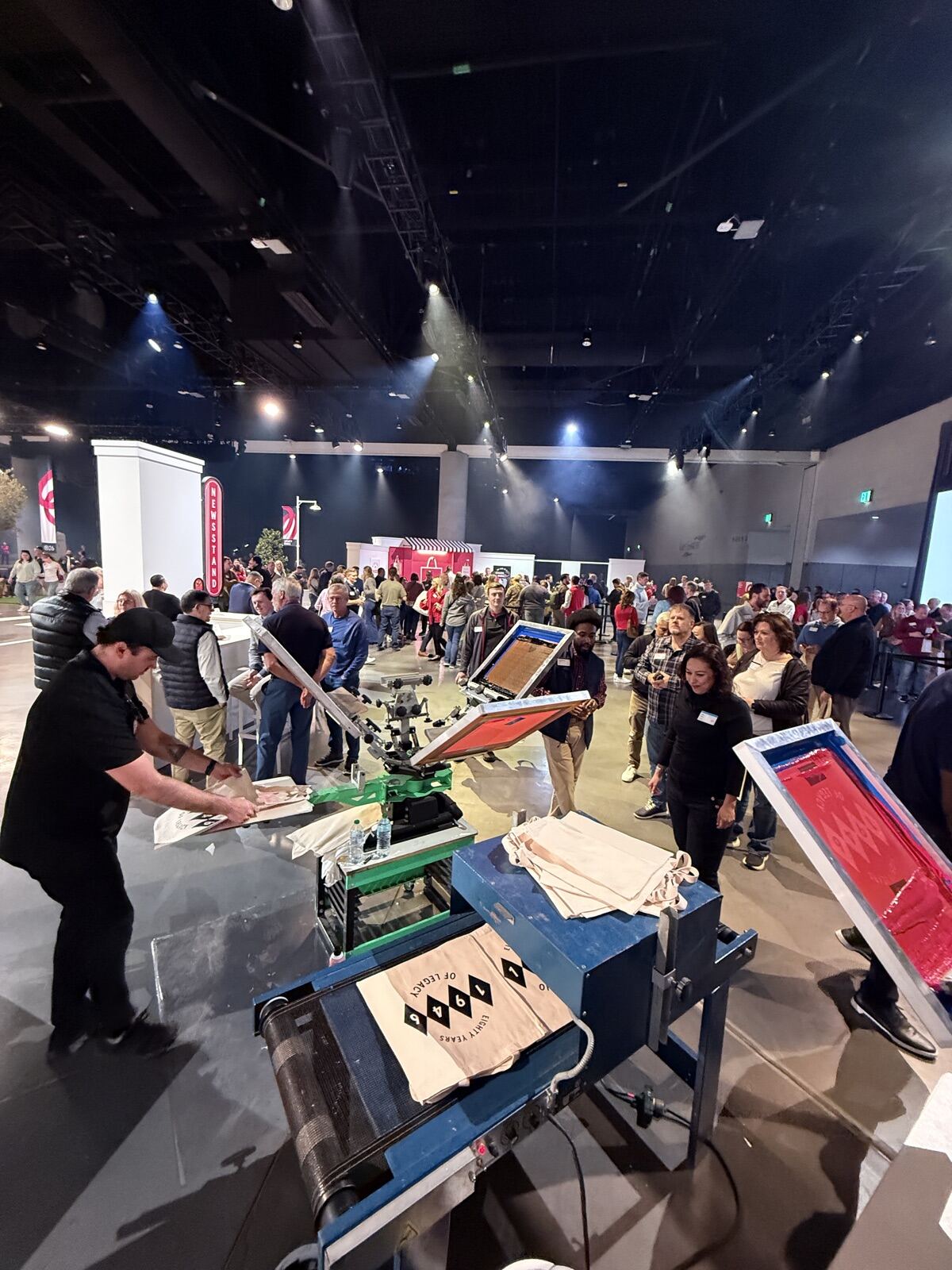
Pre-printed merch guesses at sizes and designs weeks in advance; a live press decides at the platen. The guest picks a graphic, the operator sets the recipe, and under a minute later the bond is permanent. Multiply that cycle by an event evening and one press hands out roughly sixty custom pieces an hour.
Every fabric-and-transfer pairing gets its own logged recipe: cotton takes DTF near 320°F, poly blends drop lower to dodge scorch marks, and sublimation wants a hotter platen entirely. The log is what keeps piece three hundred identical to piece three.
This is where the bond happens: adhesive melts into the weave under even pressure while a timer counts down. Rush it and edges lift after the first wash; hold it right and the graphic outlives the garment's seams.
Carrier film comes away hot, warm, or cold depending on the transfer chemistry — get it wrong and the art comes with it. Done right, it's the most satisfying two seconds on the floor, and guests never stop filming it.
A stretch test at the platen, a fold, and it's worn out the door still warm. Your event recap gets the running tally of what pressed, by design.
Why heat pressing
DTF for full-color art on anything, vinyl for bold single-color hits and glitter or metallic finishes, sublimation for all-over color on white poly. Knowing which chemistry fits which blank is most of the craft.
No screens to burn, no ink to flash, no drying tunnel — pressing strips live production down to a platen and a rack of transfers. That's why it fits lobbies, suites, and pop-ups where bigger print lines simply can't go.
A photograph, an eight-color gradient, and a one-color logo all take the same twelve seconds — transfers don't charge by the color. Dark garments, light garments, sponsor lockups, player numbers: same press, same speed.
Press menu
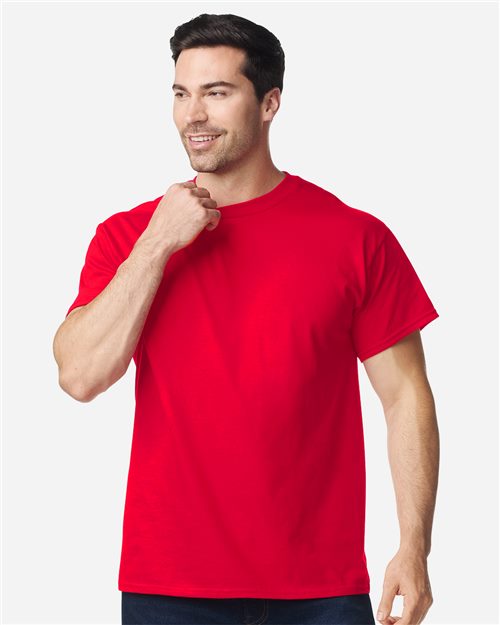
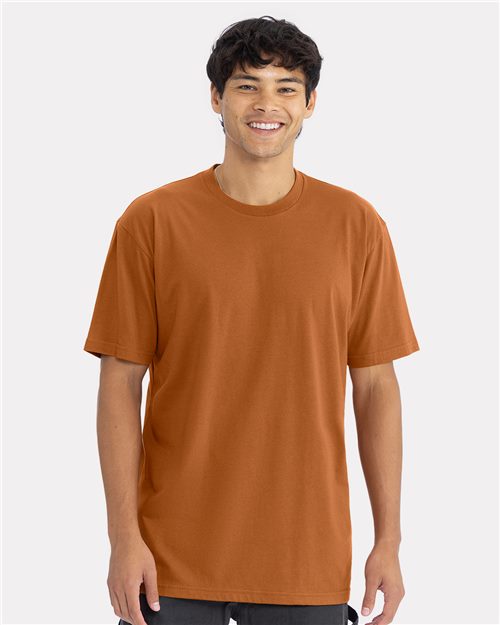
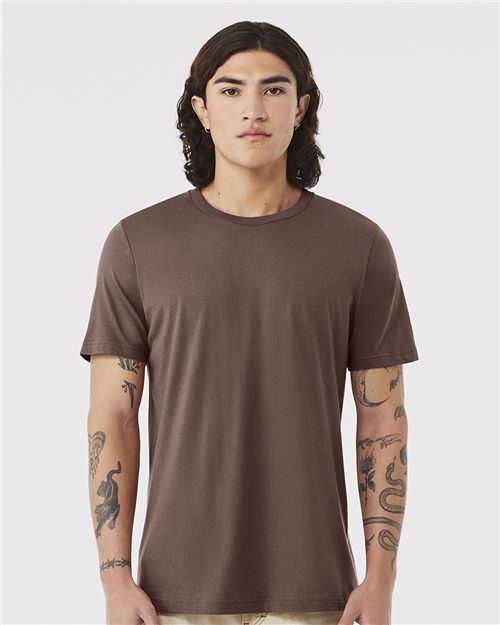
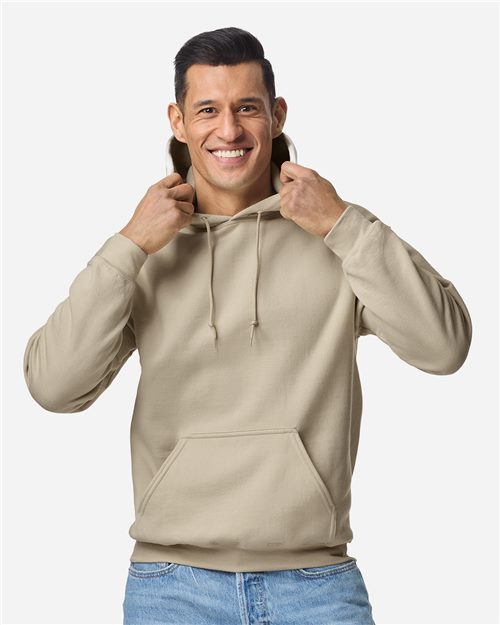
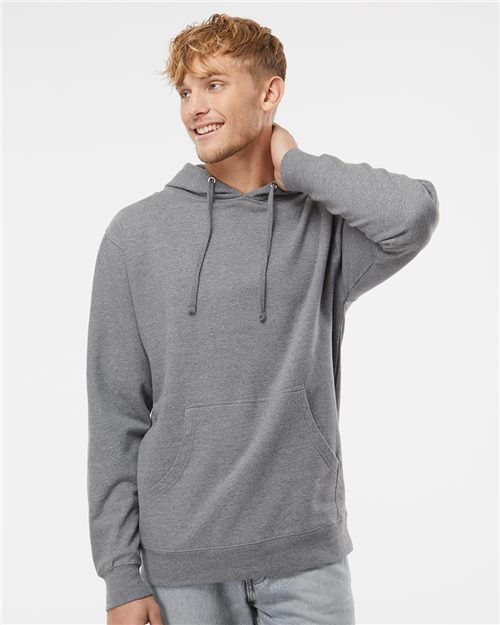
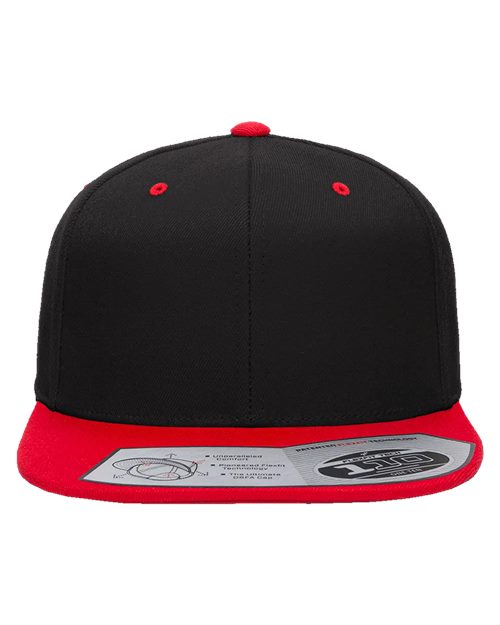
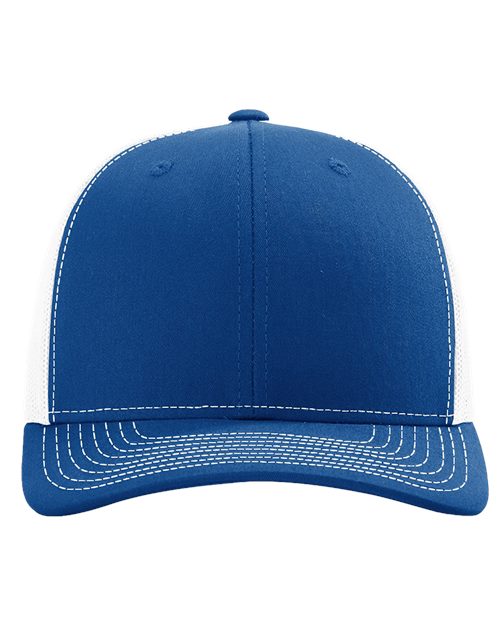
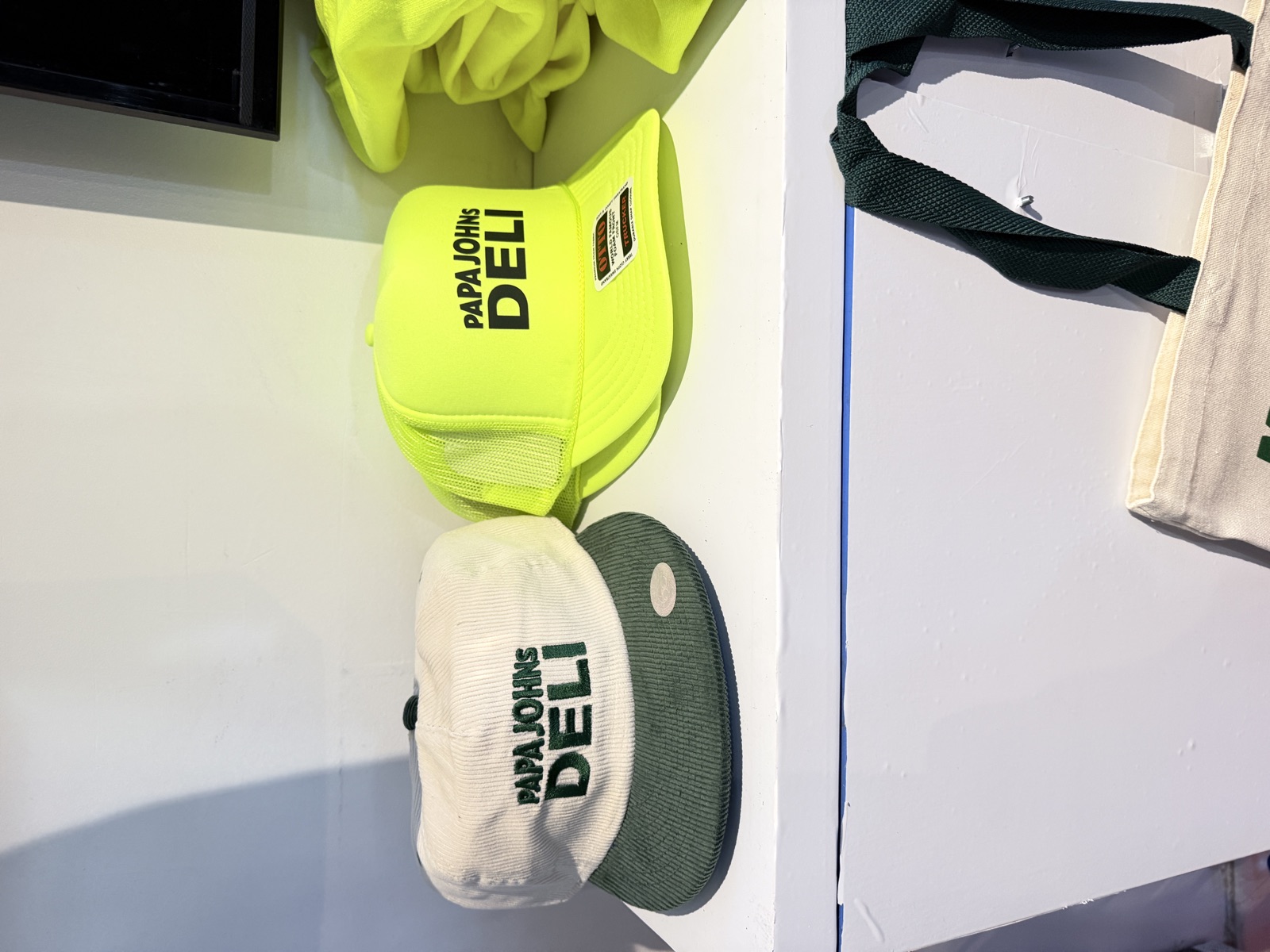
Cotton tees take DTF beautifully; fleece hides seams under a firm platen; caps press on a curved attachment; poly performance wear calls for sublimation or low-temp film. We source the blanks to match the transfer plan — and size the order to your RSVP list so mediums don't vanish by 8 p.m.
Fast answers
Plan on a $5,000 starting point for staffed dates around Orange County, LA, and San Diego, plus $250 an hour for crew and a flat $900 travel add outside Southern California. Transfer count, press hours, and garment tier do the rest of the math — and the quote arrives as one number with prep, machines, operators, and teardown already inside it.
The press cycle itself is seconds; the full loop — pick, position, press, peel, inspect — lands near a minute per piece, so a single press produces about 60 garments an hour and a second press pushes past 100. Pre-pressed inventory can buffer the opening rush if your crowd arrives all at once.
Presses travel well: Orange County, Los Angeles, and San Diego are the core radius, Las Vegas runs constantly, and anywhere else in the country works when the calendar allows time to ship transfers and gear ahead.
Request a live merch quote
Date, city, headcount, and the garments you have in mind — that's enough for us to pick the transfer type, size the press count, and send back a single all-in figure.